The Importance of Legacy System Modernization
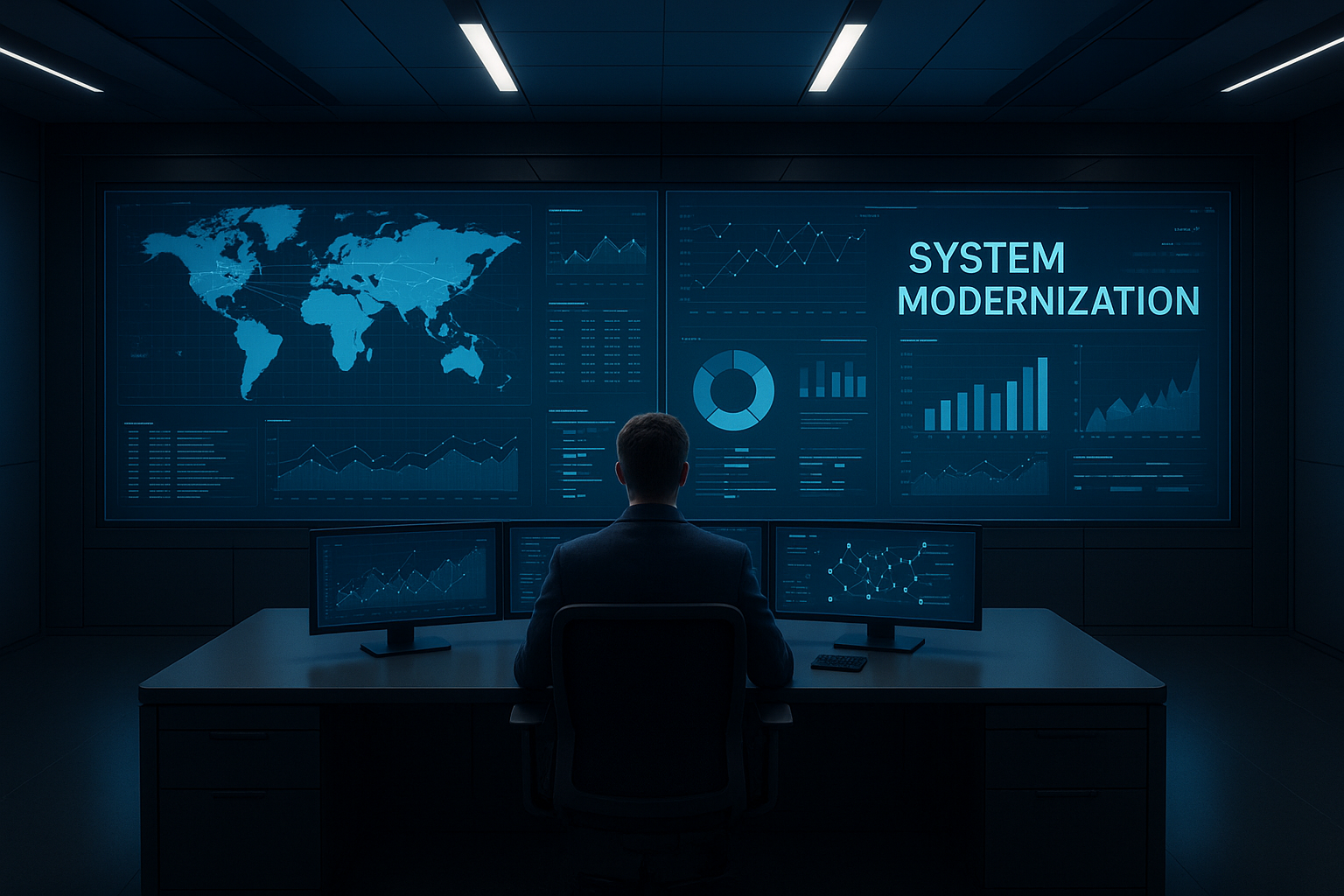
Legacy systems, though foundational, often hinder agility and innovation in today's competitive business environment. Modernizing these systems is crucial to maintaining operational efficiency, supporting growth, and enhancing capabilities such as data integration and analysis. Many organizations, like those working with Klaus Way, strive for transformations that align with modern technological demands and customer expectations.
Key Benefits of Modernization
Upgrading legacy systems can offer multiple benefits:
- Enhanced Efficiency: Streamlined processes and reduced overhead through automation and AI integration.
- Improved Data Capabilities: Enhanced ability to gather, store, and analyze data, leading to better decision-making.
- Cost-Effectiveness: Reducing maintenance costs associated with outdated technology.
- Scalability: Systems that grow with your business needs, allowing more seamless expansions.
Approaches to Modernizing Legacy Systems
Implementing a successful modernization strategy can be tackled various ways:
- Assessment: A detailed review of existing systems to understand current challenges and potential improvements. This can guide the decision on whether to replace, upgrade, or integrate the system.
- Incremental Updates: Rather than a complete overhaul, incremental updates can help in rolling out new features and functionalities while maintaining operations.
- Cloud Migration: Transitioning to cloud-based solutions can enhance flexibility, accessibility, and reduce infrastructure costs. Klaus Way provides expert guidance on cloud transitions that support modern business ecosystems.
- Seamless Integration: Ensure new systems integrate smoothly with current workflows, optimizing the synergy between new and existing technologies. This integration is crucial for maintaining service continuity during migration phases.
Real-World Examples of Modernization Success
Organizations across sectors have successfully implemented system modernizations. For example, recent projects have included modernizing ammunition tracking systems in the defense industry, which demonstrates how upgrading can simplify processes, enhance data transparency, and improve accuracy in critical operations.
Conclusion
Modernizing legacy systems is essential for organizations seeking efficiency, cutting-edge capabilities, and cost savings. Whether you're addressing specific business needs in CRM, automation, or AI-enabled processes, steps toward modernization can unlock significant potential. Klaus Way offers extensive services and products designed to guide you through these transformations, ensuring alignment with your strategic goals.
Inspired by / Source: Palantir secures $48 million Army software contract to modernize ammunition tracking and retire nine legacy systems