The Challenging Intersection of AI and Legacy Systems
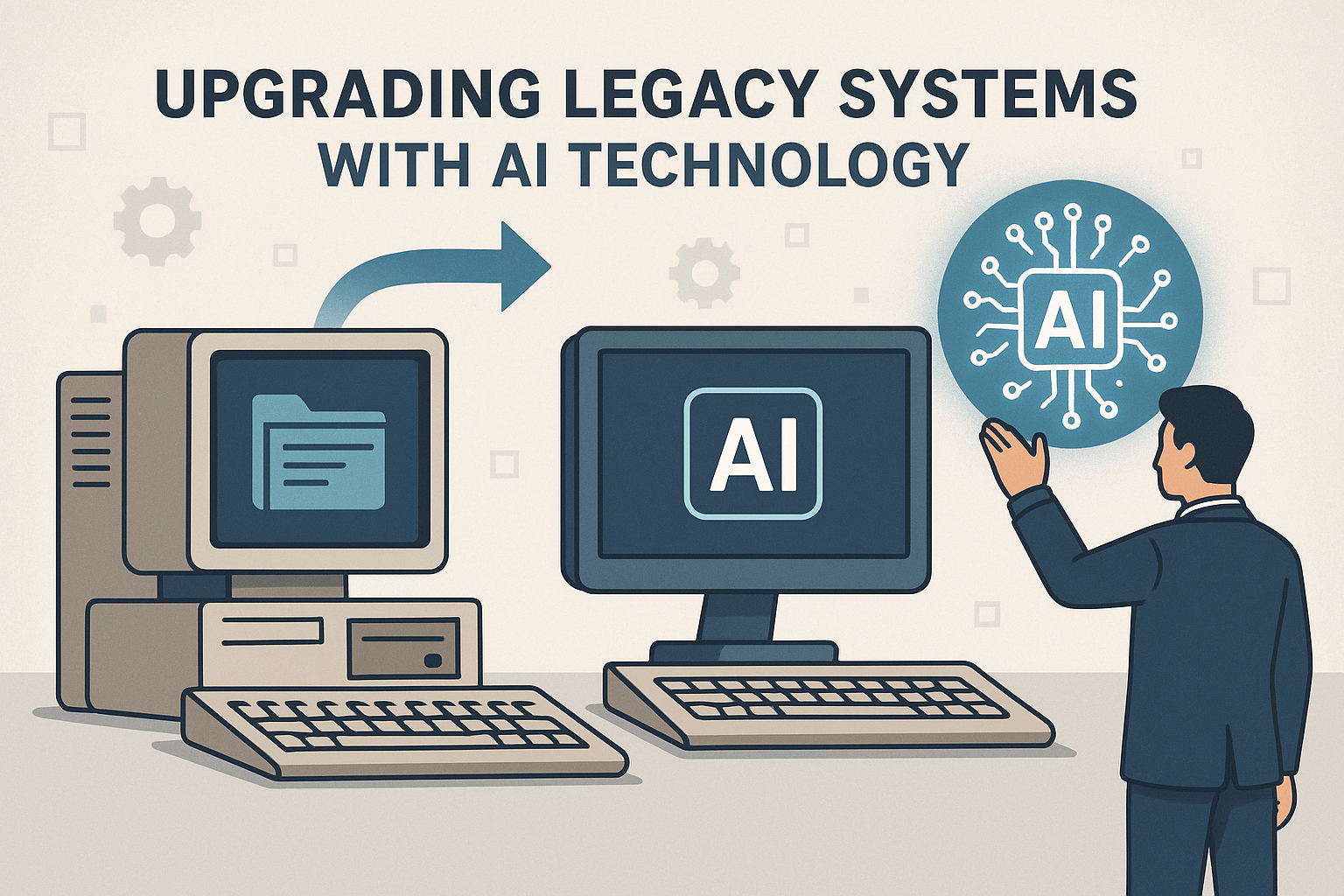
As businesses strive to harness the power of artificial intelligence (AI) for operational efficiency and innovation, outdated legacy systems often pose significant barriers. Integrating AI into an existing IT infrastructure can become a complex task when dealing with outdated hardware and software.
Legacy systems are ingrained in the day-to-day operations of many organizations. They are stable and have been optimized over the years, but they lack the adaptability required for modern digital demands, particularly with AI technologies, which thrive on data-driven insights across platforms.
Turning Challenges into Opportunities
The juxtaposition of AI challenges and legacy realities offers businesses an opportunity not only to upgrade technology but also to re-evaluate processes for better efficiency and outcomes. This reevaluation can lead to significant advances in processes, making operations more streamlined and dynamic.
- Enhanced Data Utilization: Leveraging AI means businesses can transform raw data into actionable insights, exploring new facets of customer behavior and operational efficiency previously obscured by system limitations.
- Integration Benefits: Integrating AI provides an opportunity to revamp the existing systems and software integration. Company leaders can negotiate for more agile solutions that support scalability and future growth.
Read more about Klaus Way's services in aiding businesses to modernize their systems to support AI and other digital initiatives.
The Role of System Integration and Automation
Effective automation and integration efforts can simplify the complex legacy IT landscapes and foster a more conducive environment for AI and other modern technological implementations. System integration involves seamlessly connecting legacy systems with new applications, ensuring efficient data flow and operational coherence.
Klaus Way specializes in system integration solutions designed to enable businesses to smoothly transition into AI readiness, ensuring not just compatibility, but optimization of AI tools within the business framework. Automation, on the other hand, focuses on reducing the manual involvement in these legacy-heavy processes, thereby reducing costs and enhancing speed.
Conclusion
The combination of legacy systems and AI poses unique challenges to businesses, but it also brings substantial opportunities for transformative growth. Engaging in thoughtful approaches to data, integration, and workflow automation can address these challenges effectively.
For organizations looking to adapt and integrate AI seamlessly into their systems, Klaus Way offers the expertise and experience necessary to navigate the complex legacy system landscape, ensuring that businesses not only keep pace with technological change but also stay ahead.
Inspired by / Source: IT pros in AI implementation face challenges with legacy systems—and opportunity