The Need for Modern Integration
As the manufacturing industry seeks ways to remain competitive, many manufacturers are re-evaluating their system integration strategies. System integration allows disparate technology components to work together, creating seamless operations. However, as technology evolves, traditional integration methods often reveal limitations, prompting manufacturers to rethink their approaches.
Challenges of Legacy Systems
Legacy systems, often siloed and rigid, hinder the agility and scalability needed for modern manufacturing operations. While they may have served well in the past, integrating these systems with new technologies often proves challenging. Manufacturers are realizing that, to facilitate automation and streamline processes, modernization of these systems with tools like cloud-based solutions is essential.
Legacy systems are not conducive to the seamless integration required in today’s fast-paced environment. Without modernization efforts, they become a bottleneck in adoption of newer technologies like AI and IoT.
Embracing Advanced Technologies
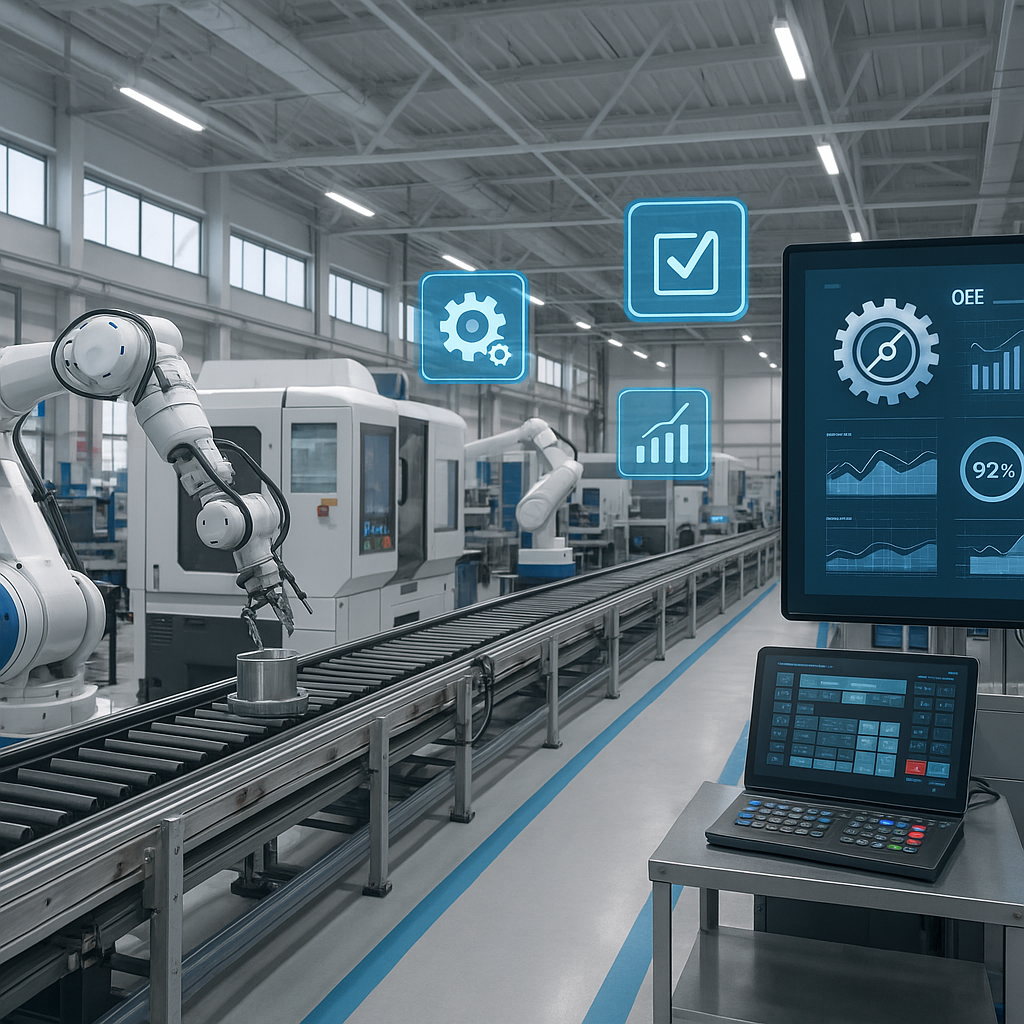
Integrating advanced technologies such as cloud computing, AI, and data analytics into manufacturing operations offers substantial benefits. AI enables predictive maintenance, optimizing machine uptime and product quality. Meanwhile, IoT devices provide real-time data that can be used to enhance decision-making processes.
Manufacturers must focus on custom app solutions to leverage these technologies effectively. Ensuring that these new systems are integrated smoothly with existing infrastructure enables manufacturers to drive innovation and operational efficiency.
Path Forward
- Assessment: Conduct a thorough assessment of current systems to identify integration pain points and modernization opportunities.
- Strategic Planning: Develop a strategic roadmap that considers the long-term goals of modernization, including system integration strategies focused on flexibility and scalability.
- Execution: Implement new technologies in phases to minimize disruption. Focus on integrating tools that enhance automation and data-driven decision-making.
- Continuous Improvement: Regularly evaluate performance post-integration and be open to iterative improvements, facilitated by ongoing technology developments.
In conclusion, system integration in manufacturing is more pivotal than ever. To remain competitive and efficient, organizations must embrace modern integration practices. At Klaus Way, we assist businesses in modernizing their legacy systems and integrating new technologies seamlessly, ensuring a competitive edge in the industry.
Inspired by / Source: Why manufacturers are rethinking system integration