Understanding the Challenges of Legacy Systems
Legacy systems, while reliable, can often become a bottleneck in an ever-evolving tech landscape. These systems, characterized by their outdated interfaces and limited integration capabilities, may hinder your business's ability to adapt and scale.
Recognizing the challenges these systems pose is the first step towards modernization. It involves scrutinizing your existing processes and identifying areas where technology can enhance efficiency.
Preparing for System Modernization
- Audit Your Current System: Start by conducting a comprehensive audit of your current systems. Identify which components are still effective and which are hindering operations. This will help you pinpoint the exact upgrades needed.
- Establish Modernization Goals: Define clear objectives for your modernization project. These could include improving user experience, enhancing data accessibility, or integrating advanced technologies like AI.
- Allocate Resources Wisely: Based on your audit and goals, allocate the necessary resources for a successful transition. This includes budgeting for software, hardware, and personnel training costs.
Choosing the Right Modernization Approach
- Retire and Replace: In some cases, it might be more cost-effective to retire old systems and replace them with cutting-edge solutions that align with your business needs.
- Incremental Upgrades: At times, a complete overhaul isn't feasible. In such cases, consider implementing incremental upgrades to extend the life of your current systems while gradually incorporating new features.
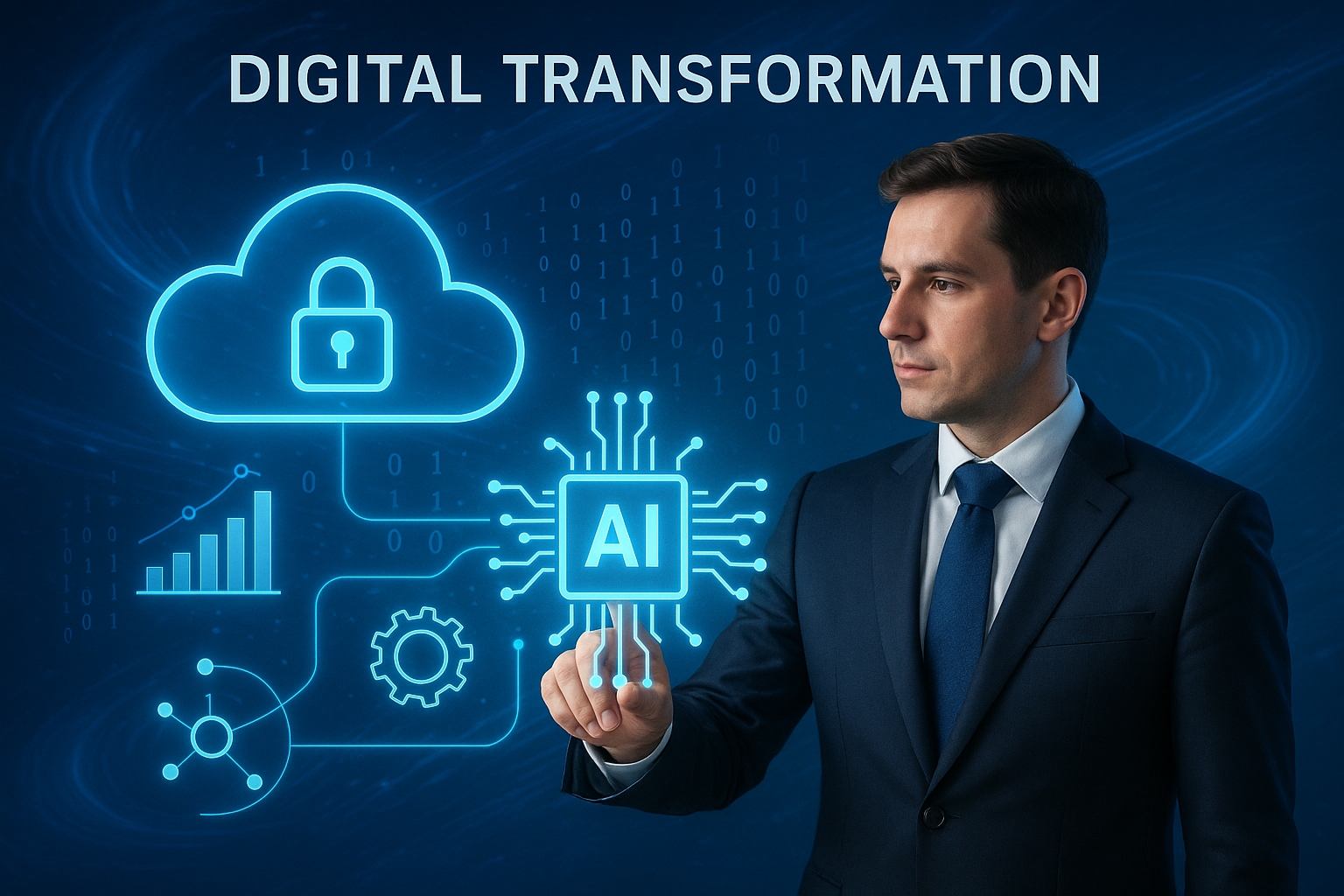
- Leverage Cloud and AI Technologies: Modernizing doesn't just mean replacing hardware. Embrace cloud solutions and artificial intelligence to improve scalability and responsiveness, transforming your legacy system into a future-ready one.
For businesses looking to seamlessly modernize their legacy systems, Klaus Way's app development and system integration services offer tailored solutions that align with your unique operational needs.
Implementing and Testing
- Develop a Detailed Implementation Plan: Create a roadmap that outlines timelines, responsibilities, and milestones.
- Involve Stakeholders: Engage stakeholders from all relevant departments to ensure that the modernization meets diverse needs and receives broad support.
- Conduct Rigorous Testing: Before full-scale deployment, rigorously test the new systems in a controlled environment to identify and address any issues.
Implementing these changes effectively can prevent project delays and budget overruns, ensuring a smooth transition and continuous operation without major disruptions.
Ensuring Continued Success
- Monitor System Performance: Post-implementation, keep a close eye on performance metrics to ensure the system meets the intended objectives.
- Regular Training and Updates: Provide regular training sessions to ensure all staff are comfortable and fluent with the new technologies in use.
- Continual Optimization: Make it a habit to regularly review and optimize your systems, ensuring they always meet current business needs. Contact Klaus Way for expert advice on maintaining efficient and secure systems.
By following this structured approach to modernization, your business can overcome the limitations of legacy systems and pave the way for enhanced efficiency and innovation.
For more insights on system integration and digital transformation, browse our knowledge hub.
Inspired by / Source: Legacy systems risk holding back group protection market - Mortgage Soup