The Challenge of Integrating AI with Legacy Systems
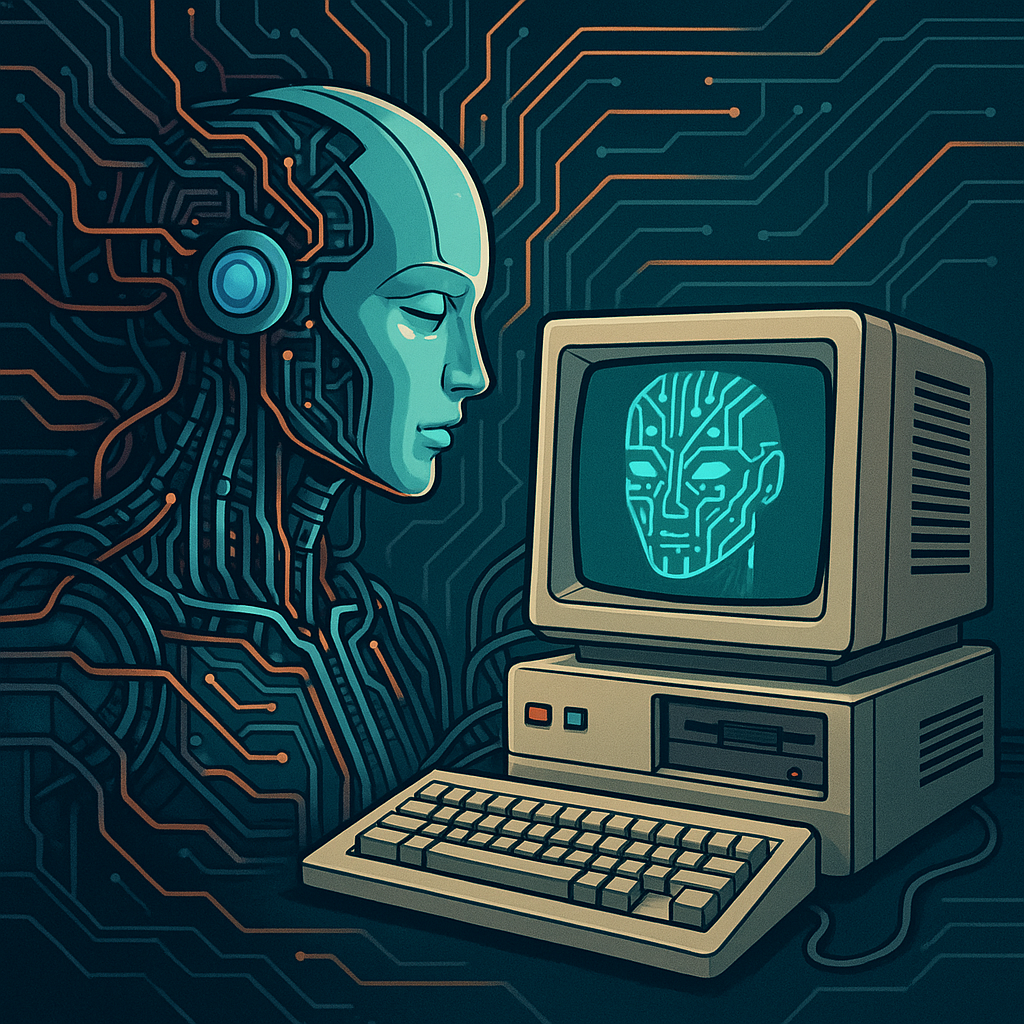
As artificial intelligence (AI) becomes a cornerstone technology for many businesses, companies are realizing the difficulties of integrating these advanced capabilities into legacy systems. These older infrastructures were never meant to handle the demands of AI, which require flexible, scalable, and adaptable frameworks. The mismatch can lead to inefficiencies and missed opportunities in leveraging AI to its full potential.
Why AI and Legacy Systems Clash
Legacy systems, often built decades ago, were designed with specific tasks in mind, without the foresight of AI's data processing and machine learning needs. AI requires systems capable of real-time data handling and advanced analytics, capabilities often missing in older software and hardware. This discrepancy creates friction, as businesses that rely on outdated technology struggle to extract AI's full benefits.
Implications for Business Operations
For businesses, failure to integrate AI effectively into existing systems can mean falling behind competitors who can harness these capabilities. It can lead to inefficiencies, increased operational costs, and slow responsiveness to market changes. Additionally, the sheer cost and complexity of updating or replacing legacy systems can be daunting for many enterprises.
The Path to Modernization
To overcome these hurdles, businesses need to consider modernizing their legacy systems and enhancing their infrastructure. By upgrading to more flexible cloud-based solutions or implementing middleware that facilitates AI integration, companies can improve their technological capabilities and operational efficiency. Providers like Klaus Way offer expertise in system integration and custom app development, assisting businesses in navigating these complex transitions.
Inspired by / Source: Legacy systems weren’t built for AI agents - No Jitter