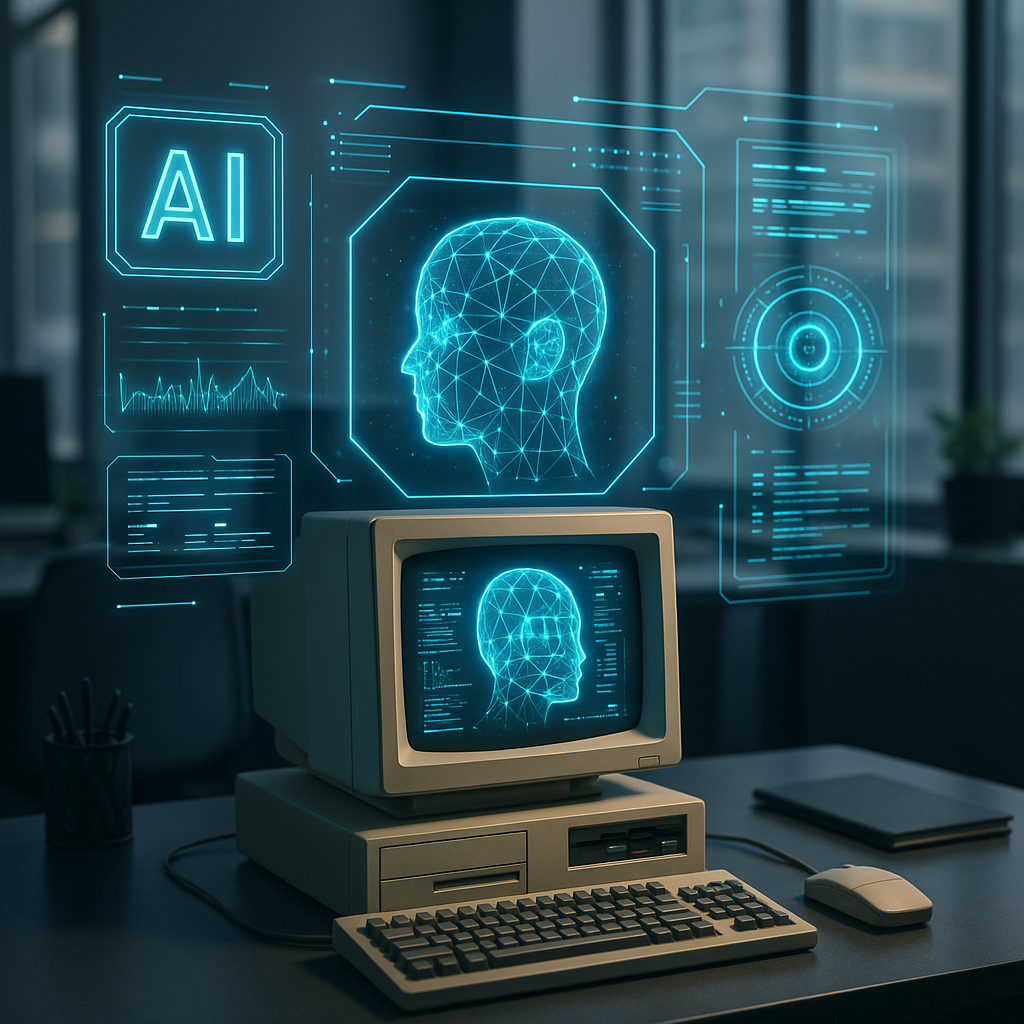
Upgrading legacy systems with Artificial Intelligence (AI) is no small feat, but it is necessary for businesses seeking to stay competitive. This guide provides a practical approach to integrating AI into your existing framework, maximizing your current resources while gaining the benefits of modern technology.
Assess Current Systems
- Begin by evaluating your existing legacy systems. Gather all necessary documentation and perform an audit to understand current capabilities and limitations.
- Identify workflows and processes that are prime candidates for AI enhancement. Look for repetitive tasks that could benefit from automation.
Select the Right AI Tools
- Research AI tools that are compatible with your system's architecture. Consider solutions that offer easy integration and scalability.
- Engage with vendors to understand how their products can align with your business goals and technical requirements.
Plan Integration Carefully
- Develop a comprehensive integration plan detailing timelines, responsibilities, and milestones. Consider pilot projects to mitigate risks.
- Coordinate with IT and operational teams to ensure everyone is on board and understands their roles.
Implement the AI Solutions
- Execute the integration process by following the developed plan. Start with smaller-scale implementations to test functionalities.
- Continuously monitor the integration and collect data on system performance and efficiency improvements.
Evaluate and Optimize
- Regularly assess the impact of AI on your operations. Look for areas of improvement and potential enhancements.
- Gather feedback from end-users and make necessary adjustments to systems and workflows.
Incorporating AI into legacy systems can transform operational efficiency while circumventing interface challenges common in traditional setups. By following these practical steps, businesses can future-proof their operations. Inspired by MedTech Intelligence.