
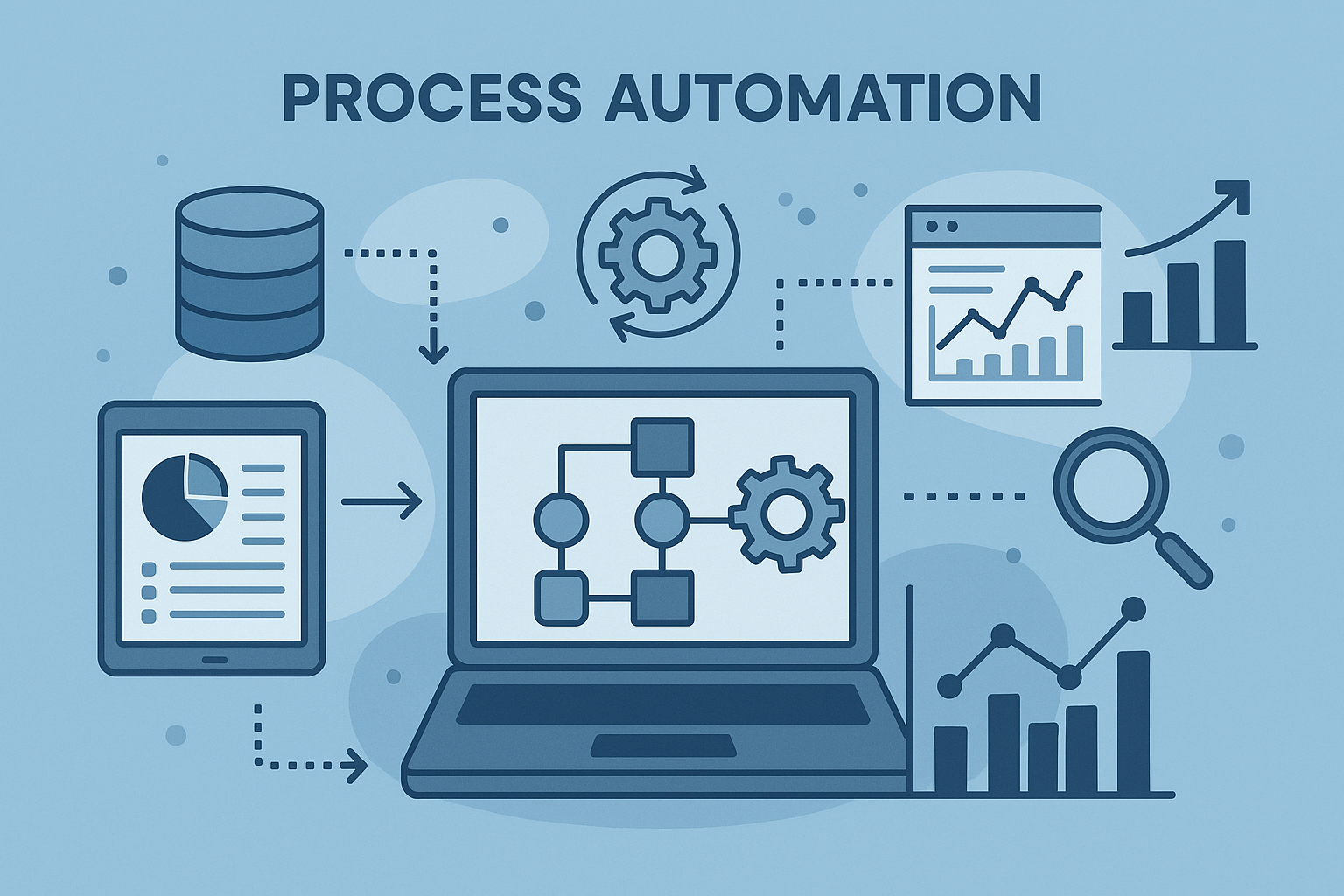
Understanding Data Quality Process Automation
With the increasing volume of data businesses handle daily, ensuring data quality can be challenging. Leveraging process automation not only enhances the accuracy and integrity of data but also streamlines operations, saving time and resources.
Implementing process automation for data quality involves a strategic approach that incorporates advanced technologies such as AI and machine learning. These tools can help automate data validation, cleansing, and monitoring, ensuring data remains accurate and reliable.
Steps to Implement Data Quality Process Automation
- Identify Data Quality Issues: Start by identifying prevalent data quality issues within your organization. Use diagnostic tools to assess data accuracy, completeness, and consistency.
- Define Automation Goals: Determine what aspects of the data quality process you aim to automate. Goals could include reducing manual entry errors, automating data cleansing, or enhancing real-time data validation.
- Select Appropriate Tools: Choose the right automation tools that align with your objectives. You might consider AI-driven solutions that can adapt and learn from data patterns.
- Integrate with Existing Systems: Ensure the selected automation tools can seamlessly integrate with your existing data management systems. This integration is essential for smooth data flow across systems. Discover our app integration services to ease this process.
- Develop an Implementation Plan: Plan out a phased implementation, starting with a pilot project to test the automation tools and processes. Iterate and make necessary adjustments based on initial outcomes.
- Monitor and Improve: After implementation, continuously monitor the process for data quality improvements. Use metrics and feedback loops to refine and enhance automation processes over time.
Benefits of Automating Data Quality Processes
The advantages of automating data quality processes include increased operational efficiency, reduced errors, enhanced decision-making, and compliance with data protection regulations. Moreover, automation frees up valuable resources, allowing them to focus on more strategic tasks.
For businesses looking to overhaul their data management, see how Klaus Way can help with FileMaker modernization and reach out to us for tailored solutions.
Conclusion
Implementing effective data quality process automation is a vital step for modern businesses aiming to leverage data for strategic advantage. Follow these steps to integrate automation into your data management, improving both efficiency and quality.
For more insights and resources on this topic, visit the Klaus Way resources page.
Inspired by / Source: Nathan Koengeter Formalizes Client Training and Process Automation in Data Quality Work - FinancialContent