Understanding the Basics of Legacy System Migration
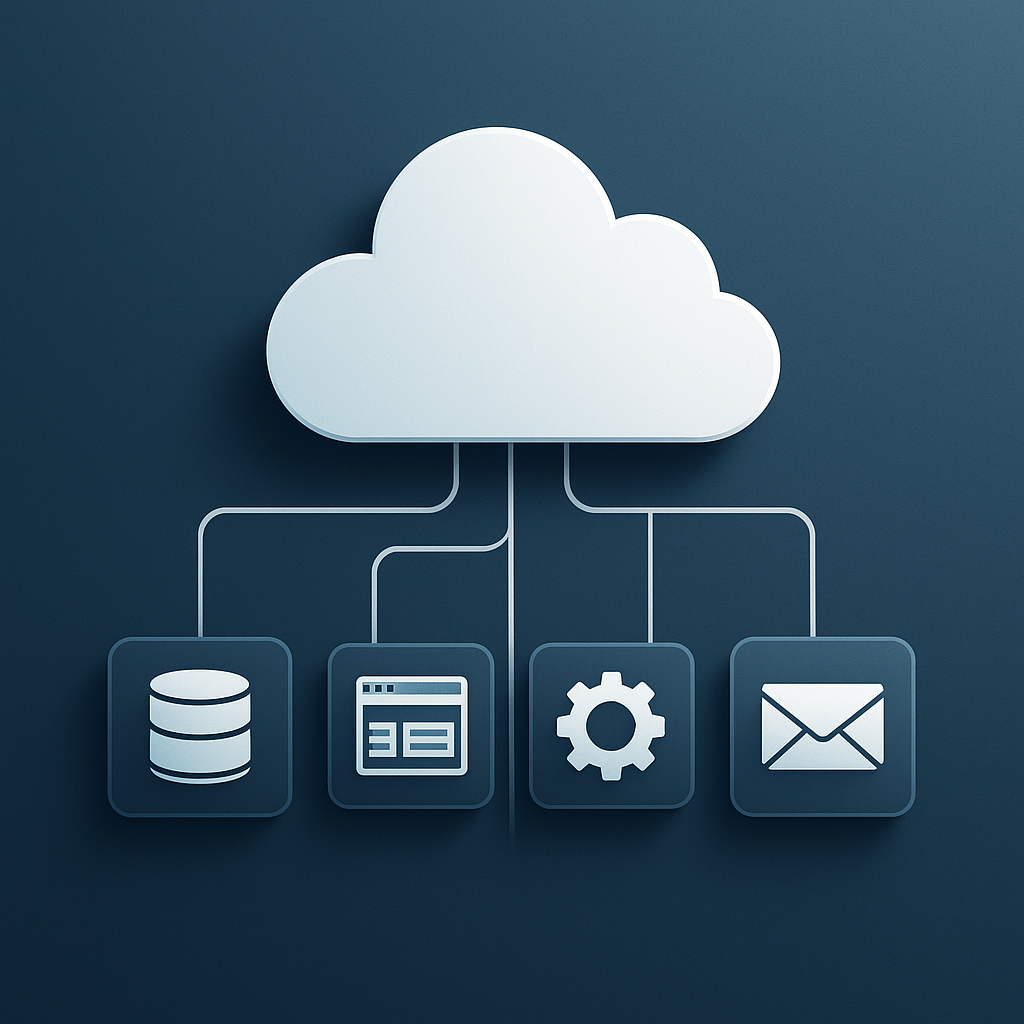
Legacy systems are integral to many organizations, housing decades of critical business data. However, these systems often struggle with new technological demands, particularly regarding AI and real-time processing. Transitioning them to cloud-native environments is a strategic move to enhance their functionality and longevity.
Key Steps to Cloud Migration
- Assessment & Planning: Begin by evaluating your current infrastructure. Identify which components of your system are suitable for cloud migration. This phase requires collaboration with stakeholders to ensure alignment with business goals.
- Choosing the Right Cloud Platform: Select a cloud service that aligns with your operational requirements and budget. Consider factors such as scalability, security, and integration capabilities.
- Data Migration: Plan your data migration carefully to minimize downtime and data loss. Data mapping and integrity checks are crucial here.
- Application Assessment: Identify if applications need refactoring for the cloud. Use cloud-native principles to optimize them for better performance and cost-efficiency.
- Security & Compliance: Implement security measures appropriate for cloud environments to protect data and applications. Ensure compliance with regulations relevant to your industry.
- Testing & Validation: Conduct thorough testing to validate the system’s performance post-migration. This includes stress and load testing to assess stability.
- Training & Change Management: Equip your team with the knowledge to operate and manage the new cloud environment effectively. This includes ongoing training and support.
- Post-Migration Monitoring: Continuously monitor your system’s performance and address any issues promptly. Use analytics to gain insights and improve operations.
Benefits of Cloud-Native Transition
Adopting a cloud-native architecture enhances system scalability, performance, and accessibility. It positions your organization to integrate robust AI capabilities easily, fostering innovation and operational efficiency. Klaus Way specializes in custom app development and can assist in modernizing your systems for these transformations.
Conclusion
Cloud migration is a complex, yet rewarding undertaking that brings legacy systems into the modern era, enabling business agility and AI integration. For further guidance and professional support, consider leveraging Klaus Way’s expertise in system integration and transformation. Explore our resources for more insights on digital transformation strategies.
Inspired by / Source: Rearchitecting Legacy Systems for Real-Time AI