
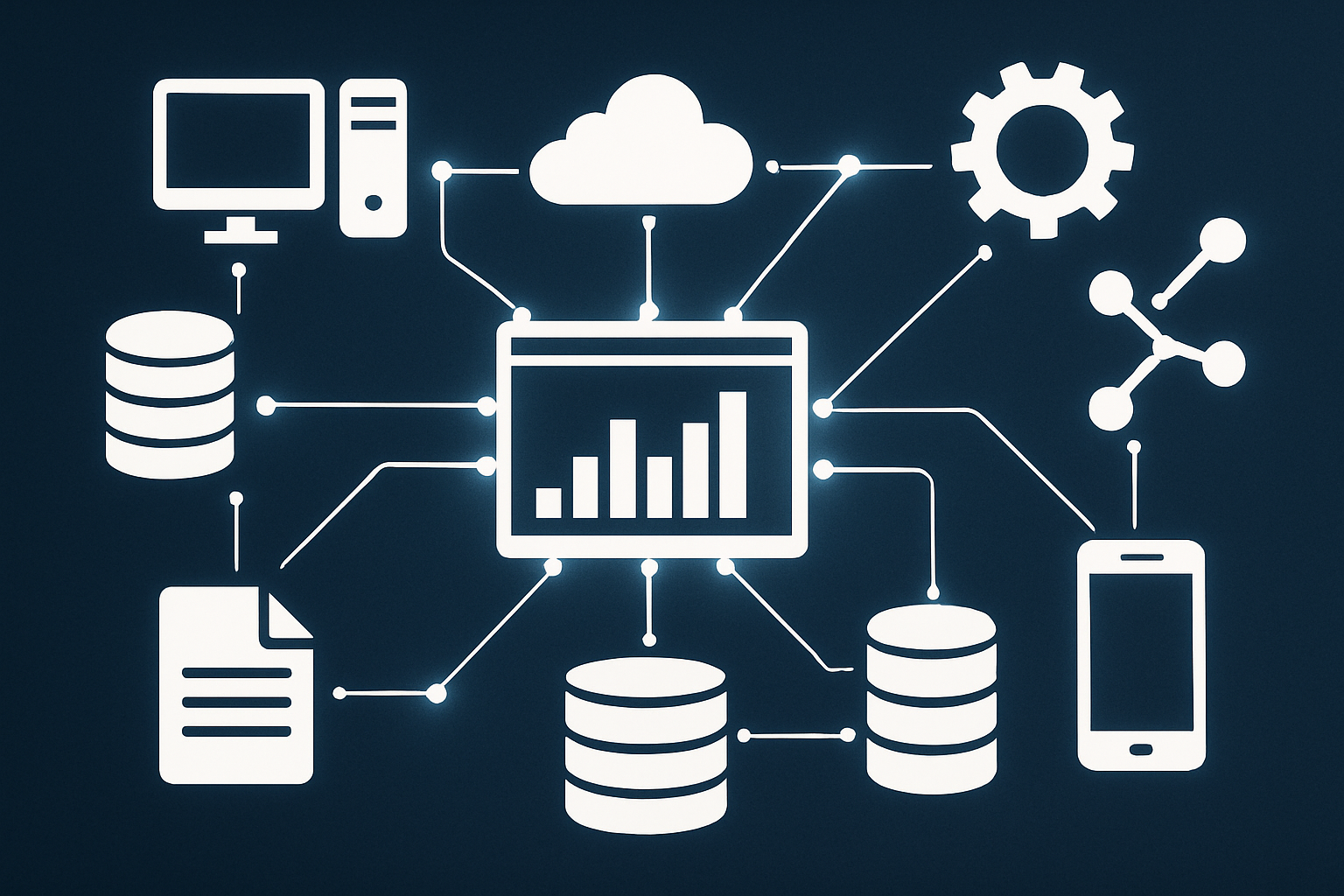
Understanding the Challenges of Fragmented Data
Legacy systems often suffer from fragmented data, which can lead to inefficiencies and inaccuracies within a business. This fragmentation happens when data is scattered across disparate systems that don't communicate well with each other. Such situations make it difficult to maintain data integrity, complicate reporting, and impede decision-making processes.
Steps to Manage Fragmented Data
- Conduct a Data Audit: Identify where fragmentation occurs. Map out all data sources and systems to understand data flow and points of integration failure.
- Implement Data Integration Solutions: Use tools and software specifically designed to integrate disparate data sources. At Klaus Way, we focus on creating seamless data ecosystems using system integration techniques.
- Modernize Data Systems: Consider upgrading or replacing legacy systems that don’t support modern data integration methods. Modernizing systems not only improves data handling but also leverages automation and AI to enhance operational efficiencies. Explore our services page to learn more about our modernization approach.
- Standardize Data Formats: Establish common data standards across the organization to ensure uniformity and ease of data exchange between systems.
- Train Your Team: Educate staff on the importance of data management and the new systems implemented. Proper training ensures data accuracy and maximizes system output.
Benefits of Overcoming Data Fragmentation
Successfully managing fragmented data results in improved data accuracy, faster decision-making, and enhanced customer satisfaction due to more reliable information. It also paves the way for advanced analytics, unlocking the power of data-driven strategies. To support these initiatives, you may need a partner with extensive expertise in system integration, such as Klaus Way.
Conclusion
Addressing data fragmentation in legacy systems is crucial for any organization aiming to maintain competitive advantage and operational efficiency. By following these steps, you can transform fragmented data into an asset that supports your business’s strategic goals. For more resources on modernizing legacy systems, visit our resources page.
Inspired by / Source: Legacy systems and fragmented data remain barriers to digital identity